Loading...
Anthony Albanese's Net Worth
Estimated AUD $10M – $15MUpdated Dec 2025
Anthony Albanese’s net worth is widely estimated to sit in the AUD 10–15 million range, with many recent outlets clustering around about AUD 14.7 million as of 2025. While no official figure is published, public records of his salary, property purchases and long political career all point to a comfortably multi‑millionaire prime minister rather than a billionaire tycoon.
Anthony Albanese's Net Worth
Anthony Albanese’s net worth is commonly reported at around AUD 14.7 million in 2025, based on estimates of his Sydney and Central Coast property holdings, superannuation, savings and long‑term political earnings. Different analysts land at slightly different figures, but most place him within a fairly tight band of approximately AUD 10–15 million, making him one of Australia’s wealthier career politicians without putting him anywhere near billionaire status.
These estimates typically add up the value of his known properties, apply reasonable assumptions for superannuation and financial assets, and subtract likely mortgage debt and other liabilities. Because Australian politicians are not required to publish full balance sheets, any net‑worth number should be treated as an informed estimate rather than a confirmed total.
From Marrickville Boy to Prime Minister
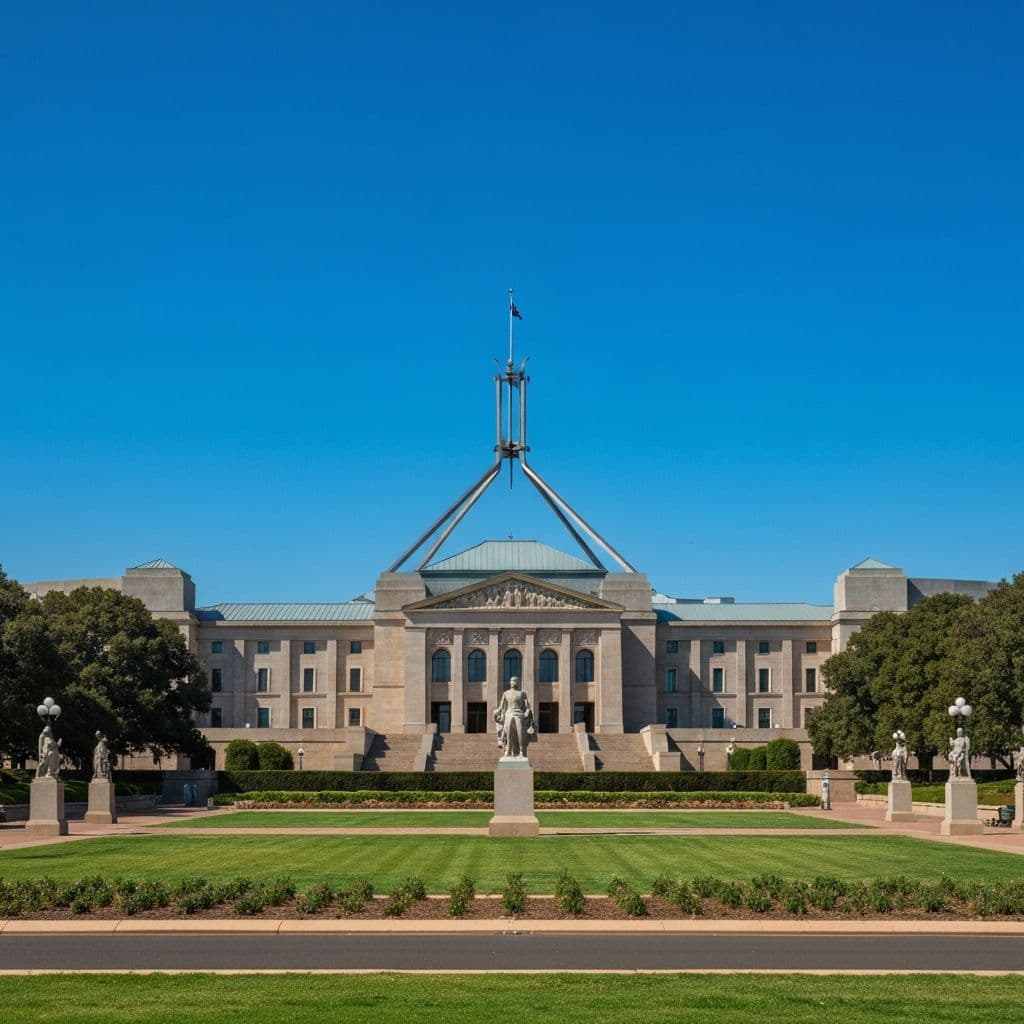
Anthony Albanese is the 31st Prime Minister of Australia and leader of the Australian Labor Party, taking office after the federal election in May 2022. Long before he moved into The Lodge, he built his career as the Member for Grayndler, representing Sydney’s Inner West in the House of Representatives since 1996 and becoming one of the longest‑serving MPs of his generation.
Over nearly three decades in Canberra, Albanese has climbed the Labor ranks from backbencher to senior minister, Deputy Prime Minister under the Rudd–Gillard governments, party leader and finally prime minister. That steady rise through increasingly senior roles has delivered not just political clout, but also a long run of high public‑sector salaries, generous superannuation and access to allowances that all help explain his present‑day wealth. This trajectory is detailed further in Anthony Albanese's background as a career politician.
How His Salary Built His Wealth
One of the pillars of Albanese’s net worth story is time: he has been drawing a parliamentary salary since 1996. Across that span, his pay has moved from the base MP rate of the late 1990s into the upper tiers reserved for cabinet ministers, deputy prime ministers and, now, the prime minister himself.
As a backbencher, Albanese received the standard federal MP salary, which has risen through regular Remuneration Tribunal decisions and has consistently sat well above average full‑time earnings in Australia. His time as a cabinet minister and Deputy Prime Minister attracted substantial loadings on top of that base, pushing total remuneration into the higher six‑figure range when allowances and role‑related extras are considered.
Today, as Prime Minister, Albanese earns one of the highest public salaries in the country, with recent figures placing the PM’s pay in the AUD 550,000–590,000 band per year. Layered over nearly 30 years, that sequence of well‑paid roles translates into many millions of dollars in gross earnings, part of which has flowed into superannuation, part into property, and part into investments and savings that underpin his net worth.
Inside His Property Portfolio
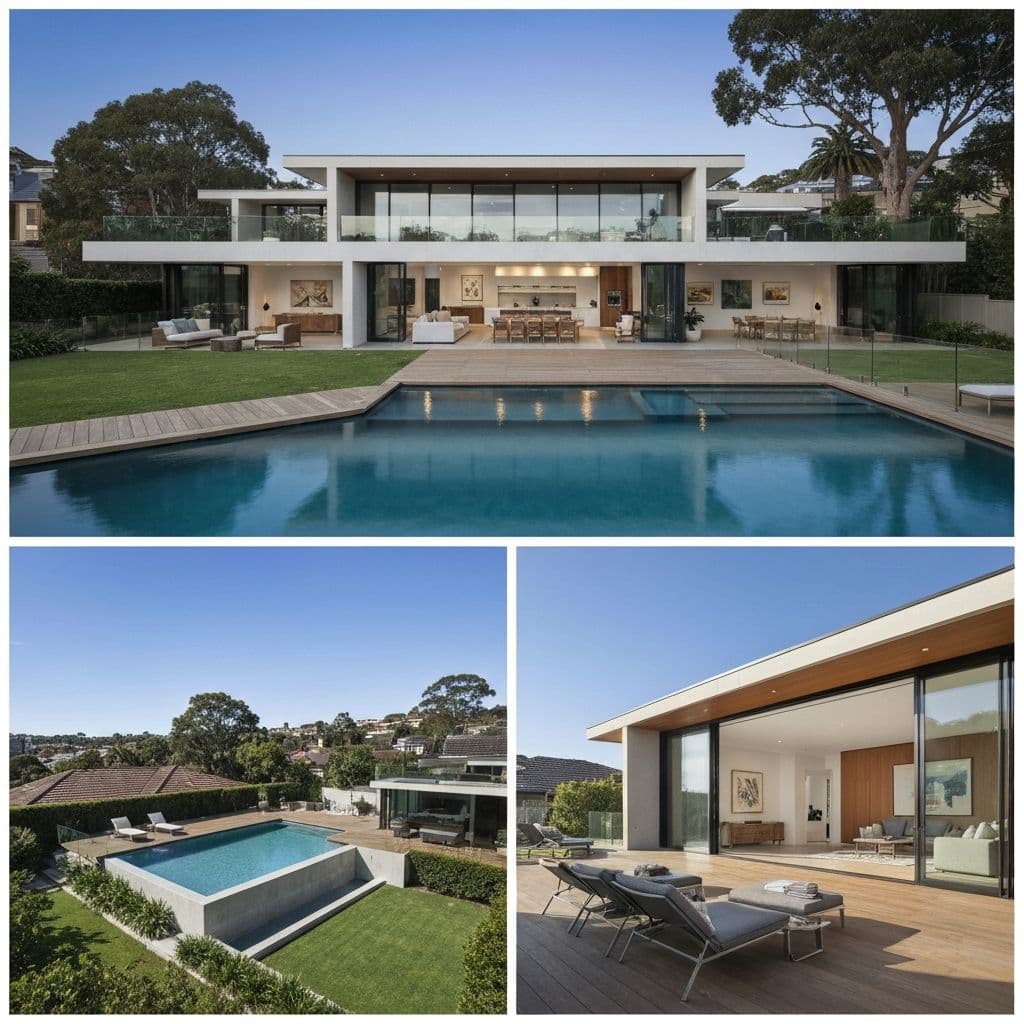
If salary is the income engine, property is where much of Anthony Albanese’s wealth shows up on paper. Property records and media reports paint the picture of a patient Inner West buyer who entered the Sydney market early and rode several waves of capital growth, later adding a Central Coast beach house to round out a multi‑million‑dollar portfolio.
The first Marrickville foothold
Albanese bought his first known property in 1990: a modest two‑bedroom semi in Marrickville, purchased for about AUD 146,000. At the time, he was a young Labor organiser rather than a household name, but getting onto the ladder in Sydney’s Inner West proved to be a very lucrative long‑term move as the suburb transformed and prices surged in the decades that followed.
The family home and Inner West upgrades
In 2006, he stepped up to a Federation‑style home in Marrickville, reportedly secured for around AUD 997,500. Over time, that home became one of the most talked‑about properties in Australian politics, with reports later citing values and sale outcomes in the AUD 2.5 million range when the family decided to sell, highlighting just how much equity can grow in an in‑demand Sydney postcode. This period of his life was shared with his partner at the time.
Alongside this, Albanese has been linked with other Inner West holdings, including a Dulwich Hill investment property that various reports value at around AUD 1.2 million. When combined with earlier Marrickville purchases and sales, these transactions show a long pattern of buying and holding in neighbourhoods that have dramatically outperformed national averages on capital growth.
A Central Coast beach escape
Beyond the Inner West, Albanese has also purchased a beach house at Copacabana on the NSW Central Coast, widely reported as being acquired for roughly AUD 2.7 million. This coastal property is frequently cited in coverage of his “multi‑million‑dollar property portfolio”, helping to push the combined value of his real estate into the mid‑seven‑figure range when current market prices are taken into account.
Some of these properties have functioned as investments, generating rental income as well as capital growth. While the exact rental returns vary over time and are not fully disclosed, commentators often assume tens of thousands of dollars per year in rent when his investment properties are tenanted, providing another consistent stream feeding into his overall wealth.
Superannuation, Pensions and Other Assets
Like many long‑serving politicians, Albanese’s wealth is not just bricks and mortar. Decades of high income have supported a substantial parliamentary superannuation balance, invested across diversified funds in line with public‑sector retirement schemes.
On top of that sits the expectation of a former‑prime‑minister pension, with some reports suggesting a potential retirement income of around AUD 250,000 per year, subject to the precise rules and length of service at the time he eventually leaves office. Although that pension is a future income stream rather than a liquid asset, analysts often factor its present value into broader discussions of his long‑term financial security.
Private savings and other investments are not itemised in public documents, but after nearly 30 years on a high salary, it is reasonable to assume that Albanese holds additional financial assets beyond his properties and superannuation. These help explain how net‑worth estimates reach into the low‑ to mid‑eight‑figure territory even after accounting for mortgages and living costs.
How Accurate Are These Net Worth Figures?
For readers asking “How rich is Anthony Albanese, really?”, the honest answer is that only he and his advisers know the exact number. Australian politicians must declare interests and assets in broad categories, but they do not publish detailed balance sheets with precise values, loan terms or investment breakdowns.
What the public does have are:
- Clear records of his political roles and the salary bands attached to them.
- Property purchases and sales reported in real‑estate and news outlets.
- Reasonable assumptions about superannuation, pensions, debt and investment behaviour for someone on his income.
Put together, those strands support the widely cited view that Anthony Albanese is a comfortably wealthy multi‑millionaire, with a net worth likely sitting in the AUD 10–15 million range and anchored by a strong Sydney‑plus‑coast property portfolio. Readers should treat any precise figure, including the popular AUD 14.7 million estimate, as a best‑guess snapshot of a private balance sheet built over three decades in public life.
Related Reading
Want more accountability?
Rate and review Anthony Albanese to help make Australian politics more transparent.
Write a Review